Photo-based electric motor repair estimate: how it works
  1. // ELEKTROPROMREMONT
  2. Photo-based estimate

Photo-based electric motor repair estimate: how it works

An industrial electric motor is a heavy, often oversized machine, and shipping it just to get looked at costs money and time before anyone even knows whether repairing it makes sense. That is why many customers want at least a rough sense of scope and cost up front, based on photos and a description of the fault.

A photo-based estimate is a preliminary, indicative read — not a final quotation. It helps decide on a direction: whether it is worth bringing the motor in for repair, whether replacing it is the more economical option, and roughly what cost to expect. The exact scope of work and the final price are only set after a physical fault detection — disassembly and on-site measurement.

This article covers which photos and data are needed for a useful preliminary read, what can be judged remotely and what cannot, and what the whole process looks like from the first photo to a signed quotation.
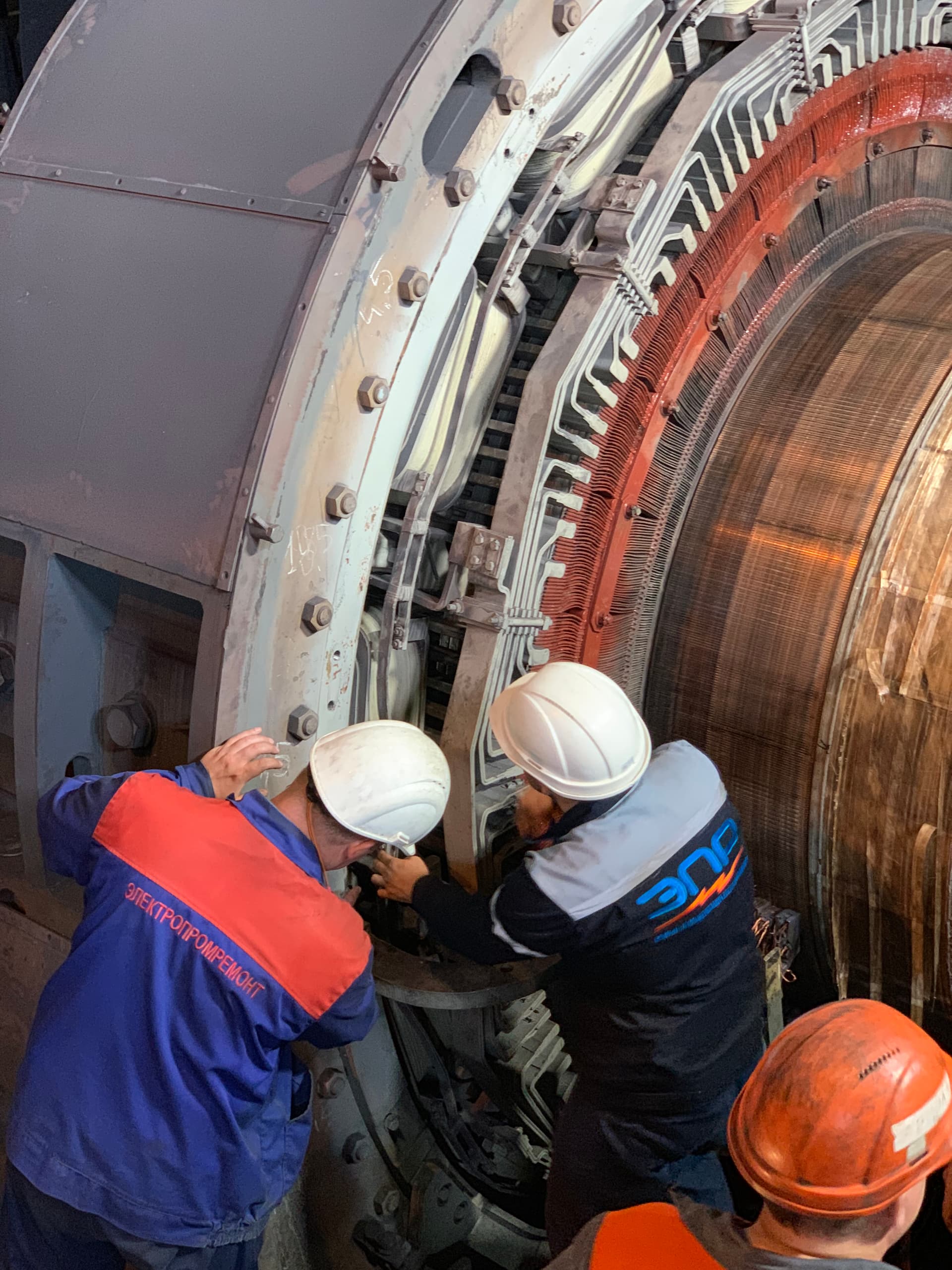
Why a preliminary photo-based estimate is useful

A photo-based estimate is especially useful where transporting the machine for an in-person look is itself a significant cost or takes considerable time. Typical situations:

  • the customer is in a different city or region and does not want to ship the motor blind;
  • the machine is large or heavy — a crane, special transport or a lifting crew is needed just to get it to an inspection;
  • a "repair or replace" decision needs to be made before logistics even start;
  • a rough sense of price is needed quickly for budgeting;
  • several failed motors are on site and repair priority needs to be worked out first.

A preliminary estimate does not replace full fault detection, but it filters out cases that are clearly not worth pursuing — for example, an obsolete motor cheaper to replace than repair, or one with external damage severe enough that repair is obviously not economical — sparing the cost and time of transporting such a machine at all.

What to photograph and what information to send

The quality of the preliminary estimate depends directly on the quality of the photos and description provided. A useful read usually needs the following:

01

A clear photo of the nameplate

The nameplate must be fully legible: power, voltage, current, frequency, speed, motor type and design, serial number, manufacturer. This data determines the machine's base characteristics, whether documentation exists, and how common the type is — a standard motor versus one needing a custom approach to parts.

02

Overall views from several angles

Photos from the front, side, back and top, including the terminal box, shaft, fan and mounting. This helps assess dimensions, construction, mounting type and general external condition.

03

Close-ups of the damaged area or the complaint

The commutator, windings, terminal box, bearing shield, shaft — whatever part the problem relates to. Shoot it as sharply as possible, in good light, from several angles, rather than one wide shot from a distance.

04

A description of the symptoms

When and under what circumstances the fault appeared, what noise, smell or sparking was observed, whether protection tripped, how the motor was used and for how long, and whether it had been repaired before.

05

Operating history, if known

Running hours, load pattern, environmental conditions, records of previous repairs or measurements — all of this helps understand the context of the failure more precisely, even though it is not required.

What a photo-based assessment can determine

Based on good photos, the nameplate and a description of the symptoms, a specialist can usually give a rough read on:

  • the approximate repair category — routine or capital;
  • the likely scope of work in general terms;
  • a preliminary, indicative price range;
  • whether repairing this machine makes sense at all, or replacing it is the more economical option.

This is a benchmark built on experience with similar cases and visible external signs, not a guaranteed outcome. It helps decide whether the next steps are worth taking.

What a photo-based assessment cannot reliably determine

A photograph only shows the external condition of the machine. Some things are impossible to judge remotely by definition:

  • hidden winding damage — interturn shorts, insulation breakdown, insulation ageing inside the slots;
  • exact mechanical wear — bearing clearances, shaft run-out, the actual commutator geometry;
  • the true final scope of work, which only becomes clear after disassembly;
  • hidden cracks in the core, housing or shaft that are not visible from outside.

These require physical measurement with proper instruments: a megger to check insulation resistance, a surge tester to find interturn shorts, dial indicators to check shaft run-out, and other incoming fault-detection methods.

A photo gives a benchmark, not a diagnosis. A firm conclusion about the technical condition is only possible after disassembly and measurement.

How the process works: from photos to a quotation

  1. 01The customer sends photos of the nameplate, overall views of the motor, close-ups of the damaged area and a description of the symptoms.
  2. 02A specialist reviews the material and, if needed, asks follow-up questions to clarify details.
  3. 03The customer receives a preliminary read: an approximate repair category, a rough scope of work and an indicative price range.
  4. 04If the customer decides to proceed, the motor is brought to the shop, or for oversized equipment a field team visits to inspect it on site.
  5. 05Full physical fault detection follows: disassembly, insulation and resistance measurement, checks of the mechanical assemblies, testing.
  6. 06Based on the fault detection results, a firm, binding quotation is issued with a clear scope of work and a timeline.

This order lets the customer decide in stages: use the preliminary range at first, and confirm a firm price only after the machine has actually been examined by specialists.

Why the final price may differ from the initial estimate

A preliminary estimate is based on external signs, the nameplate and the described symptoms. The actual condition of the windings, bearing seats, shaft and core only becomes known after disassembly, so the final quotation can end up lower or higher than the initial benchmark. The most common reasons for the difference:

  • an interturn short or insulation breakdown found during testing, even though the winding looked sound from outside;
  • a hidden crack in the shaft, core or housing;
  • a worn bearing seat that needs additional restoration;
  • other defects invisible in photos — internal corrosion, clogged cooling passages, damaged leads inside the terminal box.

This is exactly why a photo-based estimate is always presented as indicative, and only the quotation issued after physical fault detection is binding.

Tips for a more accurate preliminary estimate

  • shoot in good light — blurry or dark photos make assessment harder;
  • where possible, place a ruler, tape measure or any object of known size next to the part — it helps judge dimensions;
  • photograph the damaged area from several angles rather than one wide shot;
  • do not clean, paint or disassemble the machine before photographing it — traces of overheating, contamination or grease leaks carry diagnostic information;
  • if the complaint is noise, vibration or sparking, a short video is often more informative than a photo.

Frequently asked questions

How many photos should I send?

Usually 5–8 photos are enough: the nameplate, a few overall views of the motor, the damaged area from several sides, and the terminal box if relevant.

Can the repair be estimated from a video?

Yes, and it is often useful — especially when the complaint is noise, vibration or sparking, which a still photo cannot really convey.

How long does a preliminary estimate take?

Usually within 1–2 business days after we receive all the photos, the nameplate data and a description of the symptoms.

Is it free?

Yes, a photo-based preliminary estimate is free and carries no obligation.

What if the nameplate is worn or missing?

Photograph any markings still visible on the housing and terminal box, and share whatever parameters are known — power, speed, voltage — from documentation or a wiring diagram, if they survived.

Do I need to disassemble the motor before photographing it?

No, disassembly is not needed for a preliminary estimate and is not even advisable — taking a motor apart without the right equipment can damage parts or make later fault detection harder.

How accurate is a photo-based estimate?

It is indicative, based on visible signs and experience with similar cases. The exact scope of work and the final price are only set after physical fault detection.

EPR (Elektropromremont) services

Elektropromremont offers a preliminary photo-based assessment as a first, optional step before formally taking a motor in for repair. It lets the customer get a sense of scope and cost without spending money on shipping a machine whose repair has not yet been confirmed as worthwhile. We issue the final, binding quotation only after full physical fault detection at the shop or on site.

For a preliminary estimate, please send:

  • a clear photo of the nameplate;
  • overall photos of the motor from several angles;
  • photos of the damaged area or the complaint;
  • a description of the symptoms and, if available, the operating history.

We usually respond to a preliminary request within 1–2 business days.

Important disclaimer

This material is for informational purposes. The values, diagnostic methods, scope of work and recommendations given here are general and do not replace the manufacturer’s technical documentation. The final decision for a specific machine is made from its own diagnostics and inspection, taking into account its type, power, design, duty, operating history and applicable standards.

Want to know the approximate repair cost from photos?

Send us a photo of the nameplate, overall views of the motor and a description of the fault — we will give a preliminary read on the scope of work and an indicative price before the machine is even shipped.

Send photos for an estimate